When people talk about Search Engine Optimization, they tend to jump straight to rankings. The better conversation starts with outcomes. Rankings matter, but they are a means. A great Search Engine Optimization Company keeps the focus on profitable growth, building an engine that compounds over time. That takes technical competence, editorial judgment, and an honest handle on your market dynamics. It also takes the discipline to say no to shortcuts that look good in a deck and fall apart in the wild.
I have worked with brands that sell six-figure software contracts, and with retailers that live or die on seasonal search demand. The ones who win treat SEO like product development: they ship improvements, measure, learn, then ship again. If you are evaluating a Search Engine Optimization Agency, or planning to overhaul your own approach, here is what the best practitioners actually do and how you can recognize them.
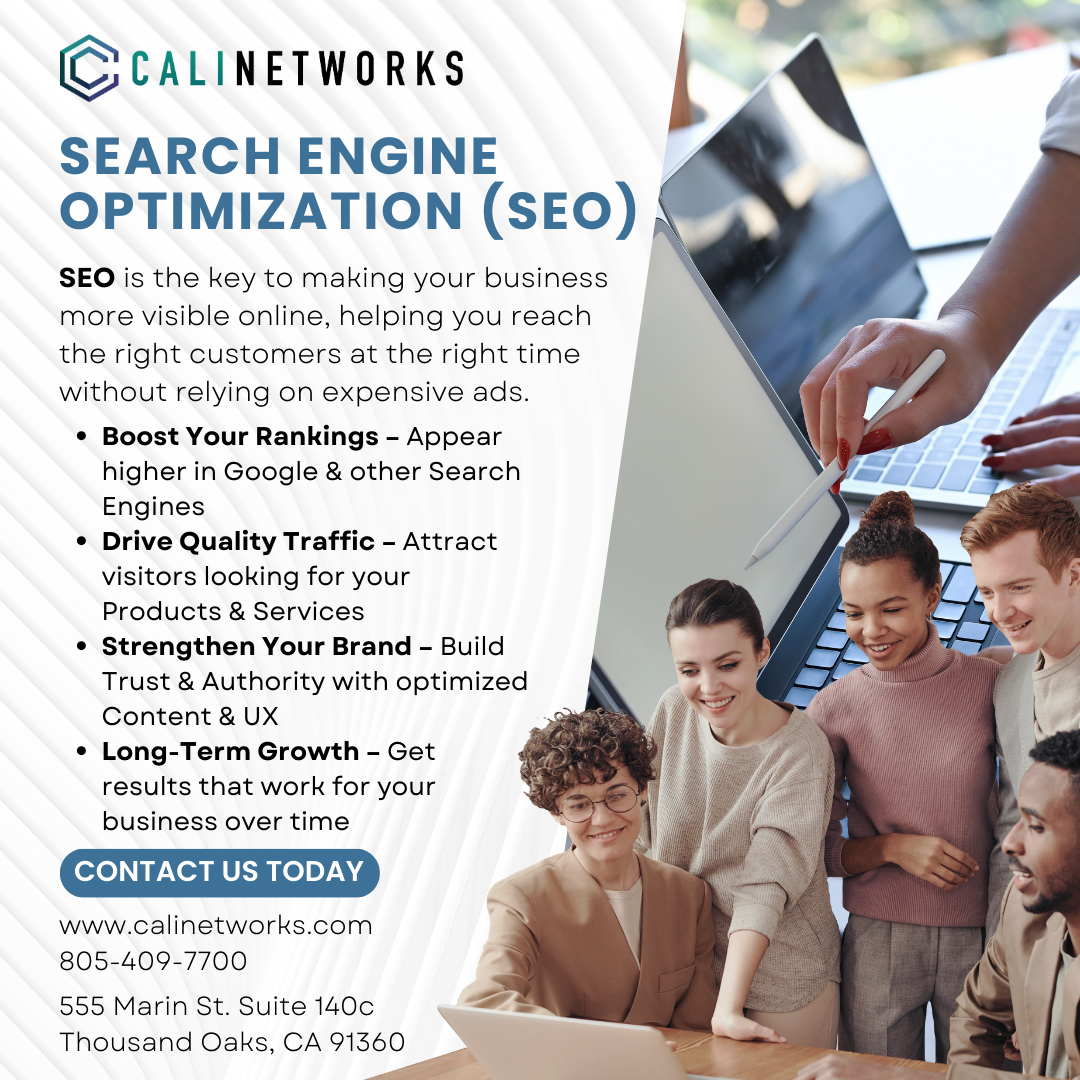
What strategy looks like when it is real
Real strategy is specific. It defines who you need to reach, how you will reach them, and why you deserve to rank. A competent SEO Company will not start by changing title tags. They start by analyzing your demand landscape and the constraints of your website.
The first step is market segmentation, not just keyword volume. Imagine a B2B cybersecurity vendor aiming for “endpoint protection.” That head term looks attractive, but the higher intent Search Engine Optimization Company lives two or three layers down with “EDR for healthcare compliance” or “SOC 2 endpoint monitoring.” Strategy anchors to those layers, mapping the buyer journey from exploratory queries to “best x for y” comparisons, then into branded feature searches. When done well, the strategy documents the topics to own, the content formats that fit, and the technical changes needed to be discoverable at scale.
From there, a Search Engine Optimization Agency should set measurable, staged goals. Early indicators might include index coverage, core web vitals, and the ratio of pages earning impressions. Midstage goals focus on non-branded traffic to priority clusters and assisted conversions. Final goals tie to revenue. The best agencies put numbers to these phases and are candid about timelines. If someone guarantees first-page rankings across the board in 60 days, you can safely walk away.
Technical foundations that keep the lights on
Search engines have grown sophisticated, but they still depend on crawlable structure and clean signals. Technical SEO is the plumbing. You notice it only when it breaks, or when your competitor’s site flows smoother than yours.
Crawl and index management come first. A disciplined SEO Agency will audit your sitemap coverage, canonicalization, robots directives, and pagination. One client I worked with had accidentally noindexed 18 percent of their top-of-funnel blog during a redesign. The fix was simple, but the revenue lost over 10 weeks was not. Good teams run automated checks to catch issues within hours, not quarters.
Internal linking carries disproportionate weight, especially for large catalogs or media archives. The right approach uses taxonomy and templates to surface relevant pages, distributes authority, and shortens the click depth for money pages. On an ecommerce site with 150,000 SKUs, switching to algorithmic related links based on co-view data boosted category page traffic by 23 percent over two months. It wasn’t magic, just better pathways.
Speed and rendering quality matter for both users and bots. The nuance here is trade-offs. Pushing for a perfect Lighthouse score can break revenue if it slows third-party analytics or merchandising tools. Mature practitioners prioritize real-user metrics, especially Largest Contentful Paint and Interaction to Next Paint, and make incremental improvements. Upgrading image handling, moving render-blocking scripts, and implementing server-side rendering for complex JavaScript often yield meaningful gains without risky rewrites.
Structured data sends unambiguous meaning. For publishers, proper Article and NewsArticle schema can lift visibility in Top Stories. For retailers, Product, Offer, and Review schema support rich results that lift click-through rate. I have twice seen a 2 to 4 point CTR increase from adding high-fidelity FAQ schema to long-form guides, as long as the FAQs were actually useful and not stuffed for markup alone.
Finally, platform constraints are real. If your CMS cannot create indexable variations with clean URLs and unique metadata, expect friction. A responsible Search Engine Optimization Company will adapt to those constraints or help you make the business case for platform changes. They do not recommend a migration lightly, and they always model risk.
Research that goes deeper than keywords
Keyword tools are helpful, but they can lull teams into chasing volume that does not convert. Great research blends quantitative data with qualitative insight.
The quantitative side covers the expected items: search volume, difficulty scores, click curves, and competitor benchmarks. The qualitative side comes from interviews with sales reps and support teams, analysis of on-site search logs, and even reviews from competitor products. For a client selling fleet management software, the winning angle emerged from support tickets that mentioned “IFTA reporting” and “fuel tax audit.” Those terms barely registered in general tools, but they brought in operations managers with a budget and a deadline.
Topical mapping matters more than isolated keywords. Your content should build topical authority by addressing a subject comprehensively, from definitions and frameworks to practical calculators and implementation guides. Search engines measure this through coverage, internal link structure, and user engagement. It is not enough to publish a pillar page and call it done. The cluster earns its authority when each piece references the others, answers follow-up questions, and keeps the user moving.
Content that earns attention, not just rankings
An SEO Company that writes for an algorithm will always lag behind one that writes for people who make decisions. The trick is to blend craft with structure.
Start with intent. Informational searches want clarity, examples, and next steps. Transactional queries need comparison, trust, and proof. Navigational queries reward fast paths and familiar cues. If your guide on “enterprise backup software comparison” reads like a brochure, you will not win the evaluation stage. If your feature page on “SAML SSO” opens with a thousand words on identity theory, you will burn paid clicks and organic patience.
Voice matters. This is where most Search Engine Optimization agencies stumble. They can produce volume, but their content reads like it was written to check boxes. Authority comes from specificity. Use numbers, timelines, and context. Show failure modes. For a marketplace client, a single case study that explained how a vendor reduced out-of-stock rates from 10 percent to 2 percent over 90 days outperformed five generic case studies combined. The difference was the math, not the design.
Format and UX play a larger role than most teams admit. Long paragraphs without visual anchors reduce dwell time, but overproduced pages can slow the site and distract. Use subheads, comparison tables when helpful, and concise summaries at the top of dense pages. Always earn the fold by answering the core question quickly, then deepen. Search engines notice when users pogo-stick back to results. Balance depth with pace.
Lastly, content that ranks is rarely brand new. Upgrades often beat net-new creation. Add new sections to answer emerging questions, incorporate fresh data, and resolve duplication across your archive. One B2C client reduced their blog count by 40 percent, consolidating into canonical guides. Organic leads rose 18 percent within four months. Focus beats clutter.
Off-site signals that actually move the needle
Link building has evolved from blunt-force guest posts to a mix of digital PR, partnerships, and deserved citations. You still need links. You no longer need gimmicks.
Digital PR works when the story is newsworthy. That might be original research, a timely dataset, or a compelling teardown. A Search Engine Optimization Agency that knows how to pitch journalists and provide credible sources will land placements that drive referral traffic and lift authority. Fabricated numbers will backfire. Invest in your own data when you can. A small SaaS company mined anonymized usage data to publish quarterly “time to resolution” benchmarks by industry. Over a year, they earned links from 140 domains, including several trade publications.
Partnerships are underrated. Co-authoring guides with vendors, sponsoring community toolkits, and offering useful public APIs create long-lived reasons for reputable sites to link. The operational challenge is coordination, not creativity. Someone has to manage the relationships and timelines.
Directories and citations still matter in local Search Engine SEO Company Optimization. The impact varies by vertical, but consistency of name, address, and phone data across major aggregators prevents confusion. The larger wins, however, come from local landing pages that demonstrate presence and service scope with real content, not city-name swapping. A regional service company cut duplicate city pages, wrote five high-quality service area pages with job photos and crew bios, and saw local pack visibility jump in three months.
Paid amplification can jumpstart attention to great content. There is no ranking boost from paid itself, but the exposure can produce shares and links that indirectly help. The key is to measure the secondary effects, not just the immediate traffic.
Measurement, attribution, and the metrics that matter
You cannot improve what you only measure at the surface. A competent SEO Company sets up analytics beyond pageviews and “organic sessions.”
Track conversions by intent stage. Map content to the funnel and assign the right KPIs. A technical explainer should move visitors to a product tour or documentation, not a demo request on the first visit. For a headless commerce client, we used micro-conversions such as “component copied,” “sandbox created,” and “spec downloaded” as proxies. Those signals correlated strongly with pipeline within six weeks.
Separate branded and non-branded performance while respecting that growth in branded search can be an SEO outcome. Thought leadership and comparison content often boost brand impressions. Report them together, but attribute sensibly. When you see rising branded queries following a period of authoritative content releases and PR hits, that is your flywheel working.
Use search console data to understand query distribution shifts, not just average position. A flat average can hide significant gains in priority terms if low-value queries expand elsewhere. Dashboards should surface movement in the pages and clusters that align with revenue, not vanity.
Attribution across channels is never perfect. Work with ranges and guardrails. Give credit to organic for assisted conversions that start paid and return through search, and vice versa. The leadership metric is revenue growth over a rolling window, not last-click wins.
How great agencies collaborate with engineering and product
SEO lives where content, design, and engineering meet. You get better results when your Search Engine Optimization Agency knows how to ship within your development process.
They write implementation-ready tickets. That means acceptance criteria, test cases, and a clear definition of done. For schema updates, they specify fields, data sources, and fallback logic. For rendering changes, they define expected server responses and caching behavior. They show before and after examples with URLs.
They respect sprint cadence and help prioritize. Not every optimization has equal value. Agencies should be able to stack-rank opportunities using a simple impact and effort model, then advocate for the ones most likely to move outcomes. If the CMS cannot output canonical tags per language variant, that fix outranks tweaking H1 copy on 400 articles.
They test in staging and monitor after release. This is basic, but many teams skip it. A disciplined SEO Company will set up alerts for indexation shifts, schema errors, and Core Web Vitals regressions after each deployment. When a change misfires, they roll back quickly and document the lesson.
Governance, compliance, and the things that can trip you up
As search has matured, compliance and brand governance matter more. Ignoring them slows you down later.
For regulated industries, content claims must align with legal guidance and approved references. A Search Engine Optimization Company with experience in healthcare or finance will build review workflows that do not stall publishing. That might mean using modular content blocks with pre-approved language and separate layers for examples and commentary that legal can scan quickly.
Privacy affects measurement. With consent frameworks and tracking restrictions, your analytics will undercount. Great teams implement server-side tagging where appropriate, tune modelled conversions, and triangulate with search console and CRM data to maintain confidence. They also document these assumptions so leadership understands why the numbers appear to shift.
Accessibility is not only the right thing to do, it helps SEO. Logical heading structure, descriptive alt text, and keyboard-friendly navigation make pages easier for both users and crawlers. I have seen teams hit accessibility targets and gain organic engagement at the same time, because accessible content tends to be clearer.
Migrations are the highest-risk events. If your site is changing domains, platforms, or URL structures, insist on a written migration plan with URL mapping, redirect testing, parallel sitemaps, and post-launch monitoring. One enterprise client preserved 98 percent of organic traffic after a complex replatform because we froze code two weeks prior, staged a full crawl, and ran synthetic checks within minutes of go-live. The worst migrations I have seen lacked ownership of redirects and assumed “the devs will handle it.”
Pricing models and how to evaluate them
SEO pricing varies widely. What matters is structure and transparency. Hourly fees provide flexibility, but they require trust and rigorous scoping. Fixed-fee projects suit audits and migrations. Retainers fit ongoing optimization and content programs. Performance-based deals can work if definitions are clean and incentives aligned, but pure pay-for-rank encourages the wrong behavior.
If a Search Engine Optimization Company proposes a retainer, ask how hours allocate across strategy, technical work, content, and reporting. Mature agencies share a quarterly plan with capacity targets and contingencies. They also show what happens when ad hoc requests arrive. You should see a backlog, not a scramble.
Beware of bloated deliverables that look impressive and change little. A 120-slide audit without a prioritized implementation roadmap is a doorstop. The most valuable audits I have paid for came with a 30 to 50 item action list, estimated impact ranges, and stakeholder owners attached.
When to expect results and how to know you are on track
Timelines depend on authority, competition, and scope. A new domain in a competitive B2B niche might see meaningful movement in 4 to 6 months if the execution is tight. Established sites fixing crawl and duplication issues can see wins within weeks. For content-led growth in medium competition spaces, expect a ramp: early impressions in 30 to 60 days, traffic in 60 to 120, pipeline impact shortly after if the funnel is mapped.
Signals that you are on track include deeper crawl coverage, declining proportion of pages with zero impressions, rising non-branded clicks to priority clusters, and improvements in click-through rate from better titles and rich results. If these early indicators stagnate for more than a couple of months, the plan needs revision.
Red flags to avoid
Use this brief checklist when you evaluate a potential SEO partner.
- Guaranteed rankings or time-bound promises without caveats Link packages or networks presented as a primary tactic Deliverables heavy on theory, light on implementation detail No access to or curiosity about your CRM and sales cycle Reporting that stops at traffic without tying to business outcomes
What a great engagement feels like
Working with a high-caliber SEO Agency should feel collaborative, steady, and quietly compounding. In the early weeks, they ask sharp questions, learn your systems, and set baselines. By the first quarter, you receive releases that fix real issues, content that earns traffic, and insights that shape product and marketing roadmaps. When something breaks, they are the first to alert you and suggest fixes. They say no to ideas that will not pay off. They share credit when revenue rises, and they analyze misses without excuses.
The highest praise I can offer a Search Engine Optimization Company is this: they helped my team make better decisions even when SEO was not the main concern. They pushed for clearer messaging on our core product pages, convinced us to simplify our navigation, and made our documentation genuinely useful. Those changes made search work better, but they also made everything else work better.
Practical steps to select the right partner
If you need a structured way to choose an SEO Company without getting lost in polished pitches, try this simple process.
- Ask for two examples where their work changed engineering or product, not just content. Look for specifics and outcomes. Request a sample roadmap for your site with five actions they would take in the first 60 days. Evaluate clarity and feasibility. Have them walk you through a migration postmortem they managed. Note how they handled risk and communication. Provide three of your URLs and ask for a 10-minute critique. Speed reveals depth. Speak with a current client whose site size and industry resemble yours, not just a marquee logo.
The payoff
Search Engine Optimization is slow power. It respects compounding and punishes shortcuts. The right Search Engine Optimization Agency will help you build an asset that reduces your cost of acquisition, widens your moat, and educates your market. The wrong one will flood your site with generic content, chase low-grade links, and leave you with clean dashboards that do not move revenue.
Choose partners who think like product managers and write like journalists. Expect them to tie their work to business outcomes, sit in the trenches with your developers, and measure what matters. That is the difference between ranking and growing, between being found and being chosen.
CaliNetworks
555 Marin St Suite 140c
Thousand Oaks, CA 91360
(805) 409-7700
Website: https://www.calinetworks.com/